Why Grind Size Matters
If your espresso tastes sour, bitter, or just "off," the culprit is almost always your grind size. Getting it right is the single most impactful thing you can do to improve your cup — and once you understand the basics, it becomes second nature.
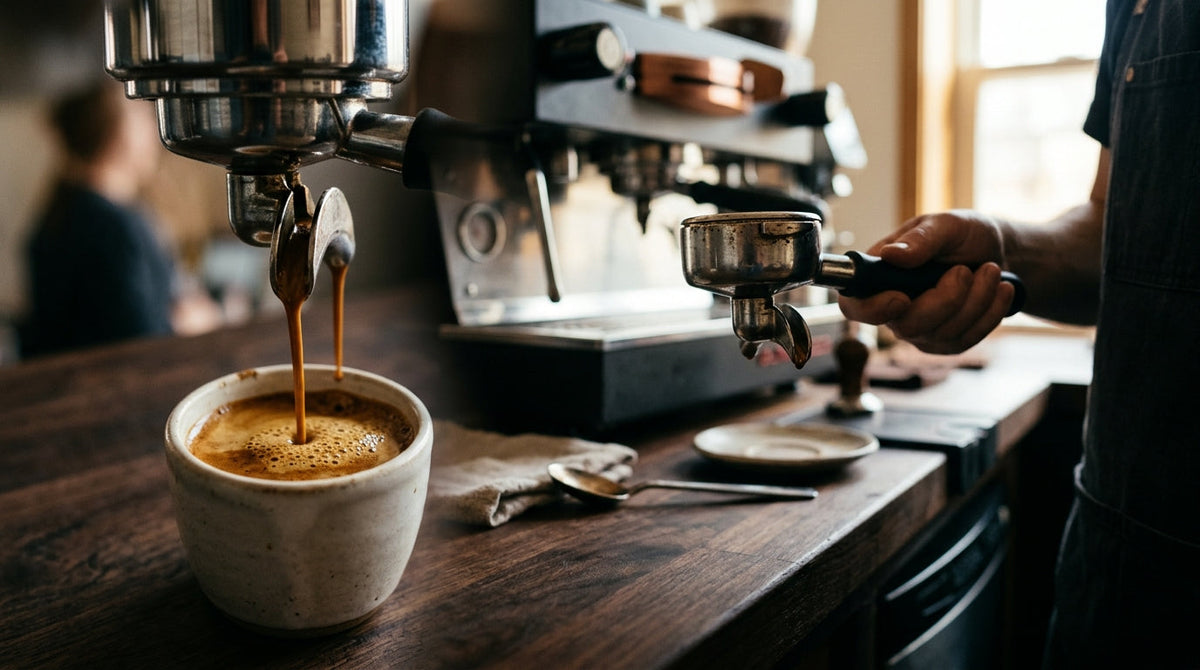
Espresso extraction depends on water flowing through a tightly packed bed of coffee grounds. Too coarse, and water rushes through too fast — under-extraction, sour taste. Too fine, and water can barely push through — over-extraction, bitter taste. The sweet spot is a 25–30 second shot that tastes balanced, sweet, and complex.
Step 1: Start With Fresh Coffee
Stale beans won't give you a good result no matter how perfect your grind. Use beans roasted within the last 2–4 weeks, and let them degas for at least 5 days after roast date.
Step 2: Set Your Baseline
With a ceramic burr hand grinder, start at a medium-fine setting. Pull a shot and time it from first drip to 30ml in your cup.
- Under 20 seconds: Grind finer
- Over 35 seconds: Grind coarser
- 20–30 seconds, tastes sour: Grind slightly finer
- 20–30 seconds, tastes bitter: Grind slightly coarser
Step 3: Change One Variable at a Time
Adjust grind size by half a step at a time. After each adjustment, pull a new shot and taste. Changing too much at once makes it impossible to understand what worked.
Step 4: Use a Scale
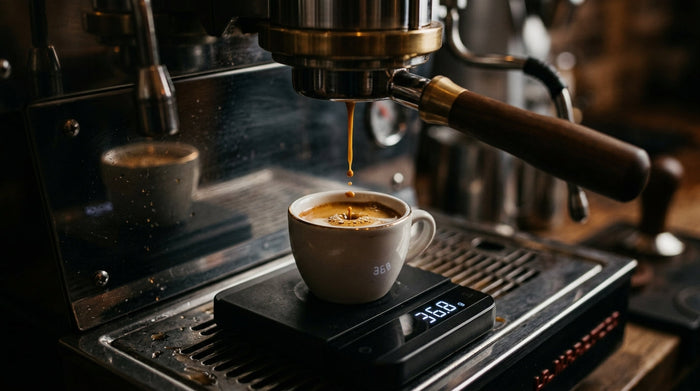
Weigh your dose (usually 18–20g for a double shot) and your yield (36–40g for a 1:2 ratio). Consistency in dose and yield eliminates variables so your grind adjustments are the only factor changing.
Step 5: Keep Notes
Write down your grind setting, dose, yield, and time for each adjustment. After a few sessions, you will have a reliable starting point for any new bag of beans.
The Right Tool Makes It Easier
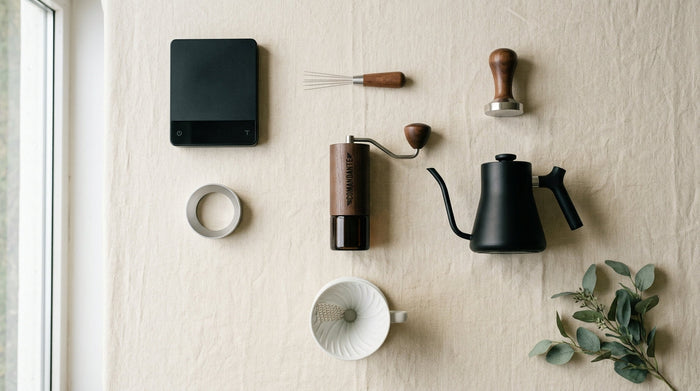
A hand grinder with clear grind settings and consistent burr alignment makes dialing in much simpler. Ready to take control of your grind? Our Ceramic Burr Hand Grinder features precision ceramic burrs and clear click-stop grind settings — perfect for home espresso.